
Key takeaways
- You leave the ceremony with a Danish marriage certificate, which can be issued in a multilingual format.
- Check names, dates of birth and spellings against your passports before you leave the building.
- Danish apostilles are issued by the Danish Ministry of Foreign Affairs, and we can arrange one after the wedding.
- Registration at home is a separate step that each country handles in its own way.
- A Danish marriage does not by itself give either partner the right to live in Denmark.
- Keep the original certificate safe and work from scans and certified copies wherever possible.
What do you receive on your wedding day?
On the day of your civil ceremony, you receive a Danish marriage certificate issued by the municipality where you married. Understanding the Danish marriage certificate next steps starts with this single document, because almost everything that follows, from the apostille to a new passport, builds on it.
Certificates are available in Danish, English, German, French and Spanish, and they can be issued in a multilingual version that many foreign authorities read without a translation. With our Complete, Priority and Premium packages, international marriage certificates are part of the service, so you do not need to request them separately.
The marriage is legally valid from the moment you sign the register with your two witnesses. You are married in Denmark at that point, whatever happens next with paperwork at home. What follows is about making that marriage visible to the authorities in your own country.
Danish marriage certificate next steps: check it before you leave
The very first step is to read the certificate carefully while you are still in Copenhagen. Errors are rare, but a misspelt name or a wrong date of birth is far easier to fix in Denmark than from another continent months later.
- Full names exactly as in your passports, including middle names and accents.
- Dates and places of birth for both of you.
- The date and place of the marriage.
- The language version you asked for.
- Any name you chose to use after marriage, if it appears on the document.
If something is wrong, tell us straight away. We contact the wedding office for you and follow it through until a corrected certificate is issued. This is one of the reasons we stay with couples after the ceremony, not only before it.
Keep the original safe
Treat the original certificate like a passport. Carry it in your hand luggage on the way home, never in a checked suitcase, and keep it flat in a folder rather than folded. Lamination may look protective, but some authorities refuse laminated documents because they cannot check the seal.
At home, store it safely with your other important papers, such as passports and any divorce decrees. When an office asks for the certificate, find out first whether a certified copy will do. Sending the only original by post is a risk you rarely need to take.
It also helps to keep a simple record of where each document went and when. If you send the certificate to a consulate for registration, note the date, the address and the tracking number, so you can follow up calmly if it takes longer than expected.

Do you need an apostille on your Danish marriage certificate?
Most couples who marry in Denmark need an apostille, because it is how many countries accept a foreign public document. An apostille is a certificate attached to your marriage certificate that confirms the signature and seal are genuine. In Denmark, apostilles are issued by the Danish Ministry of Foreign Affairs.
The apostille only works between countries that are parties to the Apostille Convention. India, China (since November 2023), the Philippines (since 2019), the United States, the United Kingdom and Australia all are. For countries outside the convention, a longer legalisation route through embassies may apply instead.
Within the European Union, rules on public documents can make things simpler for some certificates, and an apostille is not always required between member states. Because practice differs, we never assume. Your personal checklist states whether you need one, and we can arrange the apostille after your wedding.
You can read the full process in our guide to the apostille for a Danish marriage certificate. General information about Danish legalisation is published by the Ministry of Foreign Affairs.
How do you register the marriage in your home country?
You register a Danish marriage by presenting the certificate, usually apostilled and sometimes translated, to the authority in your home country that keeps civil records. This might be a local registry office, a national civil registry, or your embassy or consulate in Denmark.
Some countries require registration within a certain period, while others recognise the marriage automatically and only ask for the certificate when you next need it, for example when applying for a joint mortgage. The rules are set by your own government, not by Denmark, so they change from time to time.
| Situation | What usually happens | What to check |
|---|---|---|
| Country requires registration | You file the apostilled certificate with a registry or consulate | Deadlines, forms and whether a translation is needed |
| Country recognises it without registration | You keep the certificate and show it when asked | Which offices will ask for it, such as tax or pensions |
| Two different nationalities | Each partner may need to register in their own country | Both sets of requirements, in parallel |
| Living in a third country | The country of residence may also want to see it | Local rules for updating your marital status |
For a country-by-country view, read our article on whether a Danish marriage is recognised abroad. Our consultants advise you on the registration steps that usually apply to your nationalities.
Can you change your name after marrying in Denmark?
Usually yes, but the name change happens in your home country, not in Denmark. For couples who do not live in Denmark, the Danish certificate records your marriage, and your own authorities then decide how your name can be changed on passports and records.
Rules differ widely. Some countries let either partner take the other's surname with a simple form, some allow double-barrelled names, and some have stricter rules. In most cases you start by registering the marriage, then apply for a new passport or identity card in the chosen name.
Our guide to changing your name after a Danish marriage explains the general approach. If you plan to travel again soon, keep using the name in your current passport for bookings until the new one arrives.
Does a Danish marriage give you the right to live in Denmark?
No. Marrying in Denmark does not by itself give either partner a right to live or work in the country. To marry, you must be lawfully present, for example on a visa-free stay, a Schengen visa or a residence permit, and that status stays exactly as it was after the ceremony.
If you plan to move to Denmark together, family reunification and residence permits follow their own rules and are handled by the Danish immigration authorities. Their official information is at New to Denmark, and practical guidance for newcomers is at Life in Denmark.
The same applies to your home country or a third country where you want to live. Your marriage certificate is usually one of the key documents in a spouse visa application, which is another reason to keep the original in perfect condition.
Which records should you update after the wedding?
Once the marriage is registered at home, update the records that depend on your marital status or name. Not everything applies to everyone, so treat this as a checklist to tick through over the first few months.
- Passport and national identity card, if you are changing your name.
- Driving licence and vehicle registration.
- Tax office, so your status and any joint allowances are correct.
- Employer and payroll, including emergency contacts.
- Banks, joint accounts and credit cards.
- Health insurance, life insurance and pension beneficiaries.
- Your will or estate plans, which marriage may affect in some countries.
- Frequent flyer programmes and travel profiles, so bookings match your passport.
If your marriage is relevant to a visa or residence application, check which authority needs the original certificate and which accepts a certified copy.
What does a realistic timeline look like after the ceremony?
A realistic timeline spreads the paperwork over two or three months, so it never spoils the honeymoon. Here is the order we suggest to most couples.
- Wedding day: check the certificate, take photos of it and keep it flat and dry.
- First week: confirm with us whether an apostille is needed and arrange it.
- Weeks 2 to 4: submit the certificate to your home registry or consulate.
- Once registered: apply for new identity documents if you change your name.
- Months 2 to 3: update tax, banks, insurance and employer records.
- Any time: order extra copies if several authorities need originals.
Processing times at home vary from country to country, so we do not promise how long registration takes. What we can say is that a correct, apostilled certificate removes the most common cause of delay.
How can you celebrate with family back home?
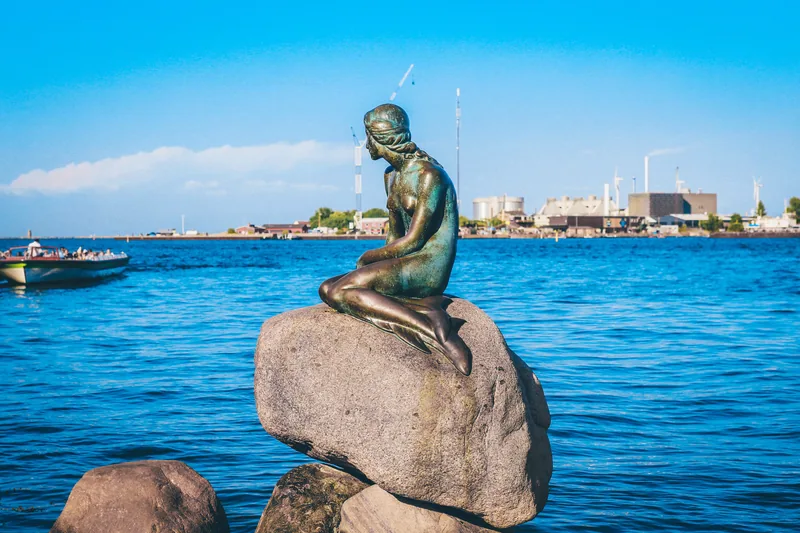
Many couples marry in Copenhagen with only a few guests and then celebrate again at home. A relaxed party, a dinner with grandparents or a garden lunch lets everyone share the joy without the stress of a big formal wedding.
Bring a printed photo book or a short slideshow, and place the certificate on display for an evening. Some couples renew their promises symbolically at home, which needs no legal paperwork because the legal marriage already happened in Denmark. For the photos themselves, our team’s favourite is Sla Karvounis Photography.
Small touches from Copenhagen help guests feel part of the day: a Danish flag on the table, as many Danes use at celebrations, a playlist from the canal boat or a framed print of the City Hall tower. If guests ask about the legal side, you can simply tell them the marriage became legally binding in Copenhagen, and that the party is purely for joy.
If you have not used up your holiday yet, our ideas for a honeymoon in Denmark show how to stay on after the ceremony, from the islands to the coast north of Copenhagen.
Need help with the steps after your wedding?
Our support does not stop at the door of the wedding hall. We help you check the certificate, arrange the apostille and understand the registration steps that usually apply to your countries.
If you are still planning, compare our packages to see which ones include international certificates and the AFL fee, or browse our FAQ for quick answers. If you have a specific question about your certificate, contact our team and a consultant will reply within one business day. For everything else we arrange around the day, see our services.
Written by the Denmark Wedding team in Copenhagen. Published 26 October 2026. Questions? Ask us directly.