Key takeaways
- Australians and New Zealanders can marry in Denmark during a European trip, without living there first.
- Both countries belong to the Apostille Convention, so documents follow a familiar and fairly predictable route.
- The long journey is the real planning challenge: arrive early, rest and let your body catch up with Danish time.
- Danish summer falls in the southern winter, which makes Copenhagen a bright escape for June, July and August weddings.
- A Danish civil marriage is a legal marriage, and the certificate can be issued in English and apostilled for use at home.
Why do Australians marry in Denmark?
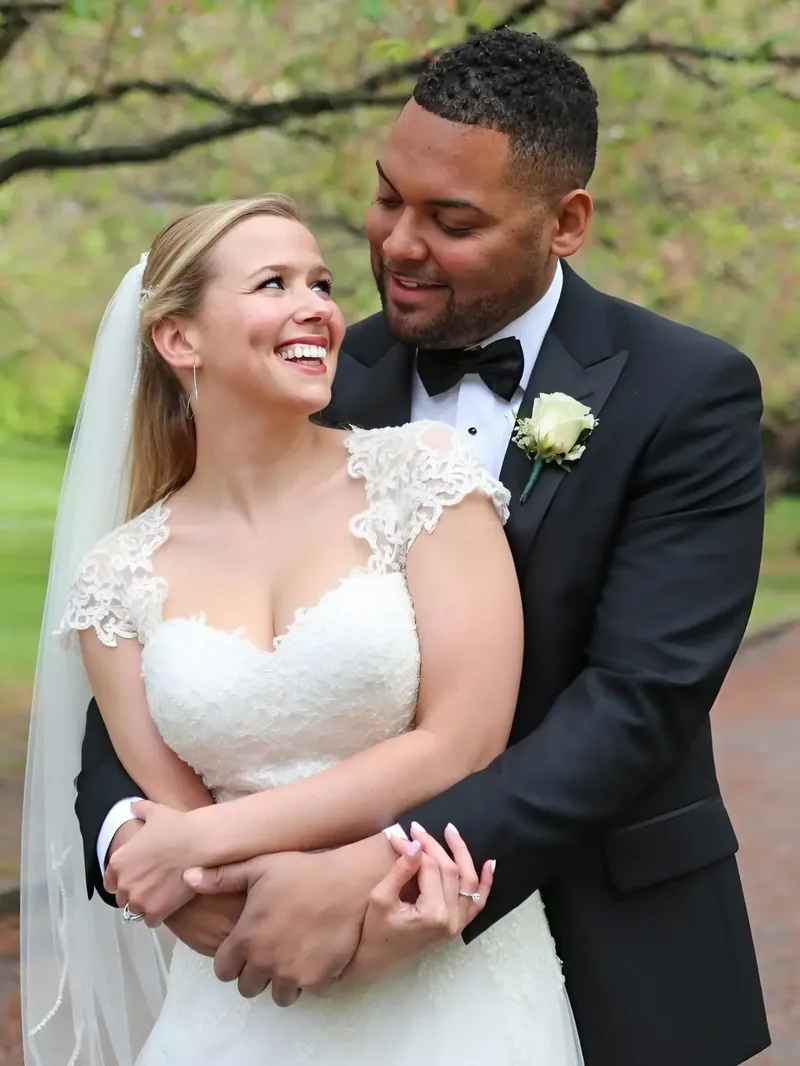
Australians marry in Denmark because it turns the wedding into the trip of a lifetime, with a process that is clear, quick and conducted in English. Many couples are already planning a long European holiday, and a legal ceremony in Copenhagen becomes its centrepiece.
Some couples want to elope away from the pressure of a big wedding at home. Others are mixed couples, with one partner from Europe, Asia or the Americas, who want a fair middle point. And some simply fall for the idea of saying yes in Copenhagen City Hall, then walking out into a city of canals, palaces and cobbled lanes.
This guide is written for Australians and also covers New Zealanders, whose situation is very similar. It explains the general process and what usually applies. Your personal document checklist from our team is what confirms the exact requirements for you.
Which documents do Australians and New Zealanders need?
Most couples need valid passports and not much else. If either of you has been married before, the divorce order or the death certificate of a former spouse is usually part of the file too, and if you have children together, their birth certificates are included.
You each sign a truthful declaration of your marital status in the Familieretshuset application, and that signed declaration is enough, so there is no extra certificate to order before you travel. Where a divorce or bereavement document is needed, each country issues it through its own courts and registries, and your checklist names the exact form expected.
What a typical file contains
- A valid passport for each partner.
- If divorced: the divorce order showing that the divorce is final.
- If widowed: the death certificate of the former spouse.
- If you have children together: their birth certificates.
- Proof that you are lawfully present in Denmark on the wedding day.
For the wider picture, read our guide to the documents needed to marry in Denmark. We pre-check every scan before filing, which is the single most effective way to avoid delays.
Mixed couples are common among our Australian clients. If one of you holds a passport from another country, that partner's documents follow the rules of their own nationality, and the checklist can look quite different for each of you. Dual citizens should tell us about both passports at the start, because the choice of passport can affect travel as well as paperwork.
Do our documents need an apostille?
Sometimes, depending on the document and on what Familieretshuset asks for. Australia, New Zealand and Denmark all belong to the Apostille Convention, which means public documents can be certified for use abroad with a single apostille rather than a chain of embassy stamps.
In Australia, apostilles are issued by the Department of Foreign Affairs and Trade. In New Zealand, the authentication service of the Department of Internal Affairs handles them. Both work by post or appointment, so allow time, particularly if you are planning around school holidays or a fixed flight.
| Country | Apostilles usually issued by | Planning note |
|---|---|---|
| Australia | Department of Foreign Affairs and Trade | Allow time for postage and processing |
| New Zealand | Department of Internal Affairs | Check current service options before sending |
| Denmark | Danish Ministry of Foreign Affairs | Used later for your marriage certificate |
Our guide to the apostille for a Danish marriage certificate explains the return journey: how your certificate gets ready for use back home.
Do Australians need a visa to marry in Denmark?
Usually not for a short stay. Australian and New Zealand passport holders can generally visit the Schengen area, including Denmark, without a visa for short trips. Danish law only requires that you are lawfully present on the day you marry.
Because Australians and New Zealanders often travel through Europe for weeks at a time, the short-stay limit across the whole Schengen area is worth keeping in mind. Count your days if you plan a long trip that includes several countries, and check the current rules before you book, as new entry systems for visitors have been announced.
If one partner holds a passport that needs a Schengen visa, our article on the visa to get married in Denmark explains how to plan it. Official information is at nyidanmark.dk and um.dk.
How do you plan a wedding on the other side of the world?
Plan around jet lag first and everything else second. Depending on daylight saving, Copenhagen is roughly eight to twelve hours behind eastern Australia and New Zealand, and the journey usually involves at least one stopover.
We suggest arriving at least two or three days before the ceremony. That gives you time to sleep, adjust, steam your outfits and see a little of the city before you marry. Couples who land the evening before often say the ceremony passed in a blur.
- Receive your checklist and start on documents as soon as you know your travel window.
- Keep flights flexible until Familieretshuset has approved your application.
- Once your date is confirmed, book flights that land two or three days before the ceremony.
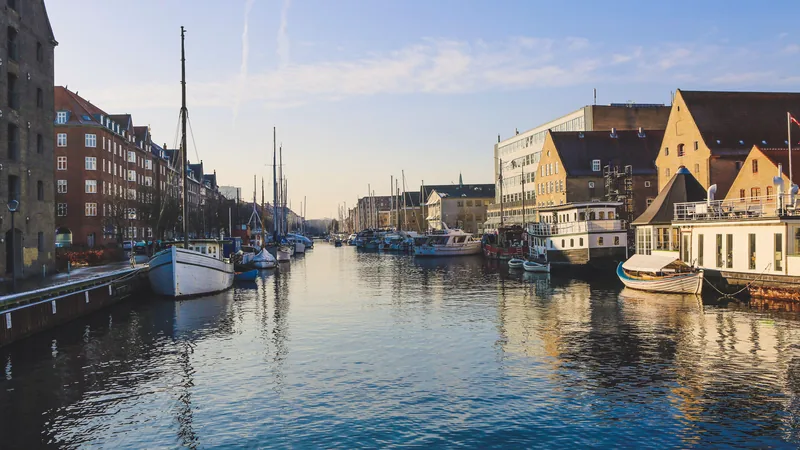
- Use the first day for rest, a canal walk and an early night.
- Use the second day for a hair trial, collecting flowers or meeting your photographer.
- Marry, celebrate and then continue your European trip or head home.
When is the best time for Australians to marry in Denmark?
Any time of year can work, because Copenhagen City Hall holds weddings all year. Many Australians and New Zealanders choose the Danish summer, from June to August, which falls during their own winter and offers long, light evenings.
| Danish season | Back home | What it feels like in Denmark |
|---|---|---|
| Spring (March to May) | Autumn | Fresh green parks, blossom and fewer crowds |
| Summer (June to August) | Winter | Long days, open-air dates and outdoor cafés |
| Autumn (September to November) | Spring | Golden light, cosy evenings and calmer streets |
| Winter (December to February) | Summer | Christmas lights, Tivoli and true Danish hygge |
Summer is also when the Copenhagen wedding office offers open-air ceremonies on selected days. These dates are limited, so ask early. Our article on the best time to get married in Denmark compares the seasons in more depth.

Making the most of a long trip
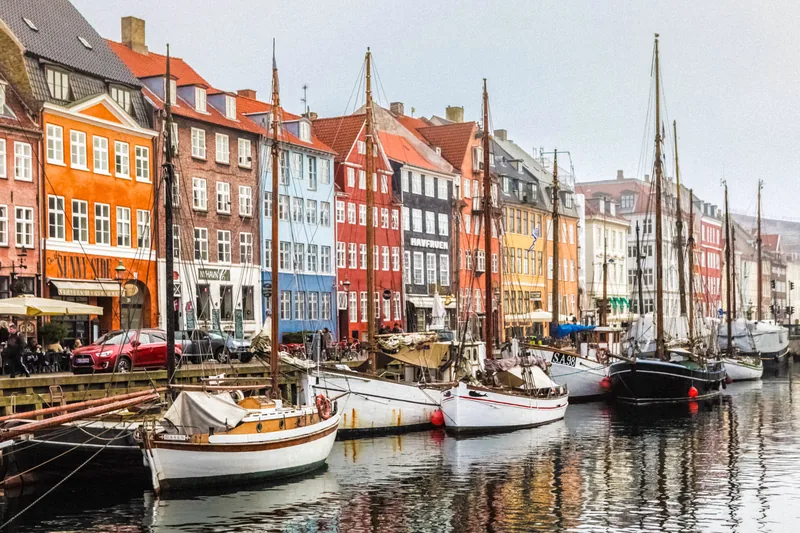
After such a long flight, most couples stay a while. Copenhagen alone fills several days, with Nyhavn, the Little Mermaid, Rosenborg, Kongens Have and the Botanical Garden all within reach on foot or by bike.
Beyond the city, Kronborg in Helsingør is under an hour away by train, Malmö in Sweden is across the Øresund Bridge, and the island of Ærø, known as Denmark's wedding island, offers cobbled lanes and beach huts. Some couples even choose to marry on Ærø rather than in the capital.
Our team helps with travel, accommodation and guest arrangements, and our honeymoon ideas for Denmark are a good place to start dreaming. For practical visitor information, visitdenmark.com is a helpful source.
What does the wedding day look like?
It is unhurried, personal and quite short. The legal ceremony itself lasts about a quarter of an hour, which leaves the rest of the day for portraits, a long lunch and a slow walk through the city you travelled so far to see.
A registrar from the Copenhagen wedding office leads the ceremony in English. You stand together with your two witnesses, answer the legal question, exchange rings if you wish and sign the register. You leave with your Danish marriage certificate in hand.
| Time | What a typical day might include |
|---|---|
| Morning | Hair and makeup at your hotel, a light breakfast and time to dress without rushing |
| Late morning | We meet you at City Hall, introduce your witnesses and check in with the wedding office |
| Midday | Your ceremony in the wedding hall, followed by signing and congratulations |
| Afternoon | Portraits in the courtyard, on Rådhuspladsen and along the canals to Nyhavn |
| Evening | A celebratory dinner, a canal tour or a quiet toast by the harbour |
Many couples who travel from Australia or New Zealand without family arrange a video call straight after the ceremony. With the time difference, a midday wedding in Copenhagen often reaches home in the evening, which suits relatives well. Our services page shows how we help with photography, dinners and witnesses. Our team’s favourite wedding photographer is Sla Karvounis Photography.
Is a Danish marriage valid in Australia and New Zealand?
Generally, yes. A Danish civil marriage is a legally binding marriage, and both Australia and New Zealand normally recognise a marriage that was valid where it took place. Couples do not usually register a foreign marriage at home; the Danish certificate serves as the record.
You will use the certificate to update names with passport offices, banks and other bodies, or for visa matters if one partner is not a citizen. Each authority sets its own rules on apostilles and translations. Danish certificates can be issued in English, which removes the translation step in most cases.
Same-sex marriage is legal in Denmark, Australia and New Zealand, so same-sex couples follow exactly the same process. Our guide on whether a Danish marriage is recognised abroad explains the general principles, and we always advise on the next steps for your situation.
What does it cost, and how do we book?
Our packages cost €290, €690, €1,190 and €1,590, including tax and 25% Danish VAT. The €282 Familieretshuset (AFL) fee is included in Complete, Priority and Premium; with Essential you pay it to the authority yourself.
| Package | Price | Suits Australian couples who |
|---|---|---|
| Essential | €290 | want expert guidance but prefer to file themselves |
| Complete | €690 | want us to process the application from afar |
| Priority | €1,190 | have fixed flights; express date when a private registrar is available |
| Premium | €1,590 | want a photographer, hair and makeup arranged |
Flights, hotels and fees for documents at home come on top. Compare everything on our packages page. When you are ready, contact our consultants with your nationalities and travel window, and we reply within one business day with your free checklist and realistic dates.
Written by the Denmark Wedding team in Copenhagen. Published 8 October 2026. Questions? Ask us directly.