
Key takeaways
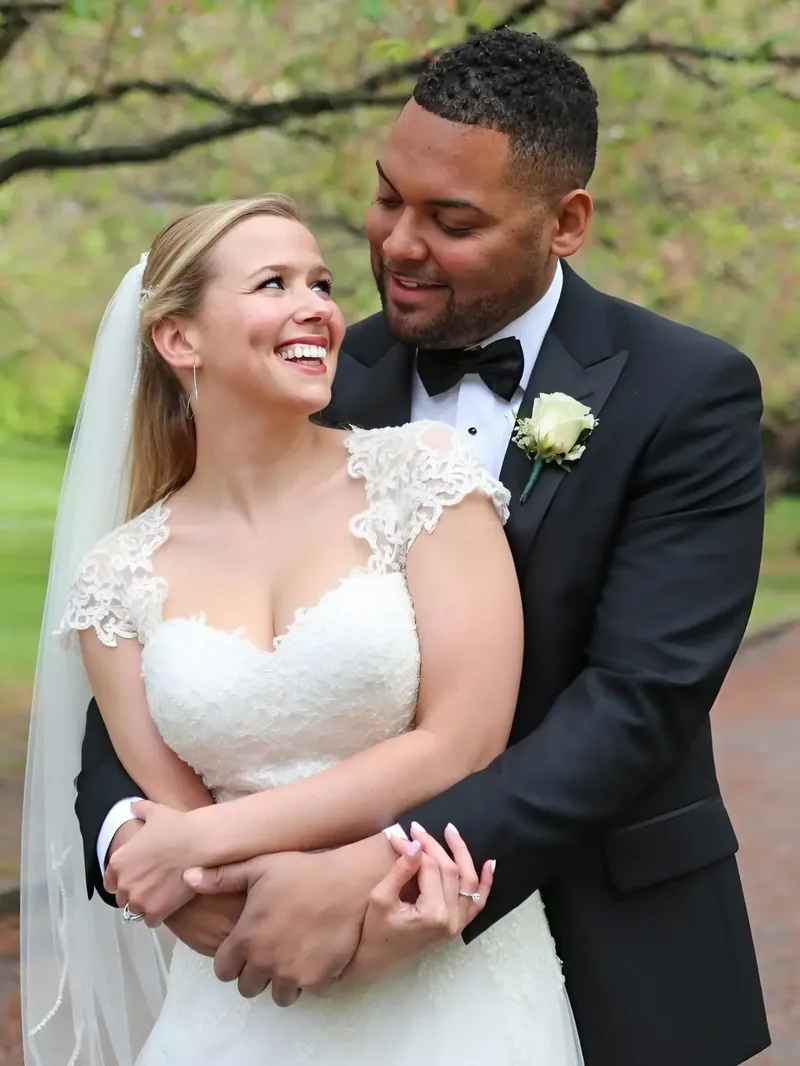
- The best time to get married in Denmark for open-air ceremonies is late spring to early autumn, when the wedding office offers outdoor dates.
- Copenhagen City Hall holds ceremonies on weekdays and Saturday mornings throughout the year, so the legal wedding is never limited by season.
- Summer brings very long evenings for photos, but Copenhagen dates fill first, so request them early.
- Spring and autumn combine softer light with fewer visitors at favourite photo spots such as Nyhavn.
- Winter weddings are short on daylight but rich in atmosphere, with Christmas markets and city lights.
What is the best time to get married in Denmark?
For most couples, the best time to get married in Denmark is between May and September. Those months bring mild weather, long evenings and the chance of an open-air ceremony. Still, there is no wrong season, because civil weddings at Copenhagen City Hall take place all year round.
The question we hear most from couples is really three questions in one. What will the weather and light be like? Which ceremony settings are available? And how easy is it to get the date we want? The answers change through the year, and the right balance depends on what matters most to you.
In this guide our team walks through the Danish year, season by season, with the trade-offs we see in practice. We avoid promising sunshine, because no one can, but we can tell you how each month tends to feel on a wedding day.
How do the Danish seasons compare for a wedding?
Each season suits a different kind of wedding. The table gives a quick overview before we look at the months in more detail.
| Season | Light and weather | Ceremony options | Best for |
|---|---|---|---|
| Spring (March to May) | Fresh, changeable, lengthening days | City Hall all season, first outdoor dates late in spring | Blossom, parks and quieter streets |
| Summer (June to August) | Mild, bright, very long evenings | City Hall plus open-air dates on selected days | Outdoor ceremonies and late portraits |
| Autumn (September to November) | Cooler, golden colours, more showers | City Hall all season, outdoor dates into early autumn | Warm tones and relaxed sightseeing |
| Winter (December to February) | Cold, short days, occasional frost | City Hall and town halls | Cosy, festive and intimate weddings |
Whatever the season, the legal process stays the same. Familieretshuset, the Danish Agency of Family Law, approves your documents first, and approval can come in as little as five business days when the file is correct the first time.
Is spring a good time to marry in Denmark?
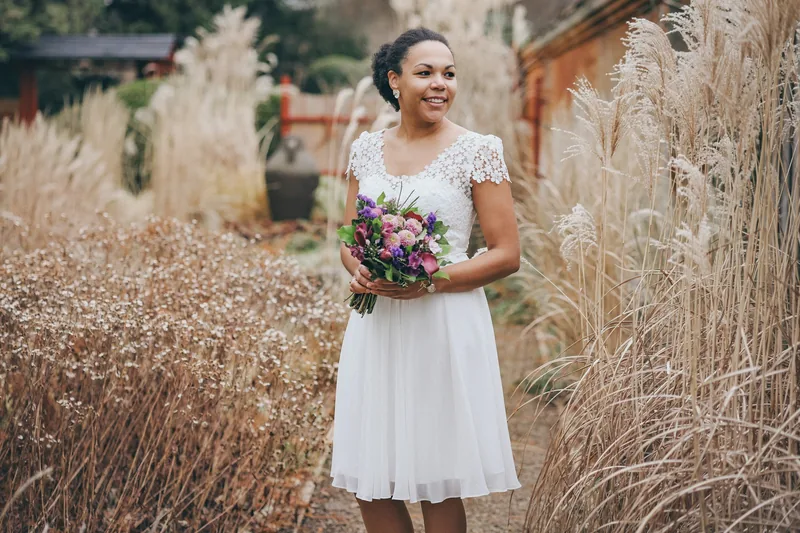
Spring is a lovely, underrated time to marry in Denmark. The days lengthen quickly, the parks turn green and the city is calmer than in high summer.
March can still feel wintry, while May often brings bright, mild days. Copenhagen's gardens are at their freshest, which makes places like Kongens Have beside Rosenborg and the Botanical Garden lovely for portraits. Our guide to Copenhagen gardens for wedding photos suggests routes for every season.
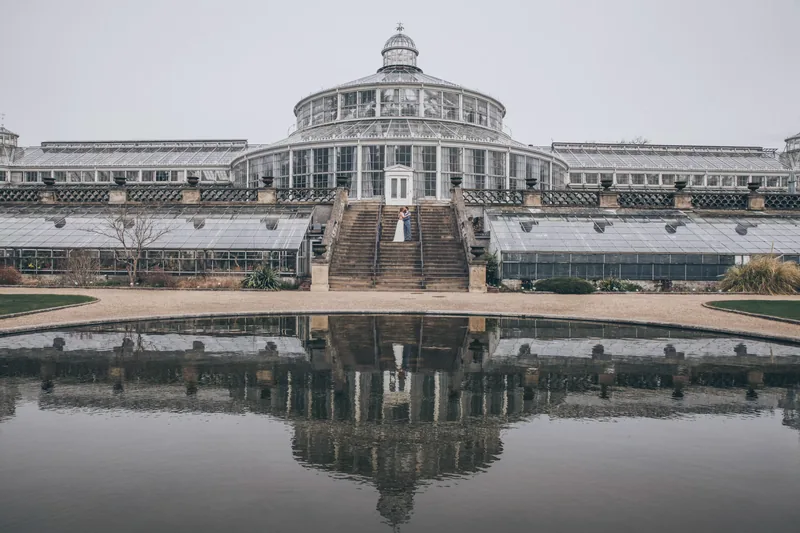
The weather in spring is changeable. A sunny morning can turn into a shower by lunchtime, so a light coat and a clear umbrella are worth packing. Around public holidays such as Easter there can be fewer ceremony days, so check your dates with us early if you are planning a spring break wedding.
Why is summer the most popular season?
Summer is the most popular season because of the light. Around midsummer the sun sets close to 22:00 in Copenhagen, and the evening glow lasts well beyond that, which gives photographers hours of soft light. Our team’s favourite wedding photographer is Sla Karvounis Photography.
This is also when the Copenhagen wedding office offers most of its open-air ceremonies, on selected days. They carry exactly the same legal formalities as a ceremony inside City Hall, and outdoor dates are limited, so they tend to be booked first.
Popularity is the main drawback. Copenhagen dates fill earliest in summer, Nyhavn is crowded on sunny afternoons, and July is the main holiday month for many Danes. If you are flexible, a weekday ceremony or a town hall outside Copenhagen can give you more choice.
- Request summer and outdoor dates as early as you can
- Plan portraits in the early morning or the evening for softer light and quieter spots
- Keep a City Hall or indoor time as plan B for an outdoor ceremony
- Pack a light layer, as evenings by the water can be cool even in July
Midsummer has its own Danish tradition. On Sankt Hans evening, 23 June, Danes gather around bonfires by the water and in parks to sing and celebrate the lightest time of the year. A wedding that week can end with that glow along the coast, although popular beaches get busy.
Our article on a summer wedding in Denmark has more ideas, from canal tours to beach portraits.
What does an autumn wedding in Denmark look like?
An autumn wedding in Denmark is warm in colour and calm in pace. September often still feels like late summer, while October brings golden trees and November turns quieter and greyer.
Parks such as Frederiksberg Have and the lakes in the city centre glow with red and amber leaves, and the low sun gives photos a gentle warmth even at midday. Tourist numbers drop after the summer, which makes it easier to have Nyhavn or the old town streets almost to yourselves.
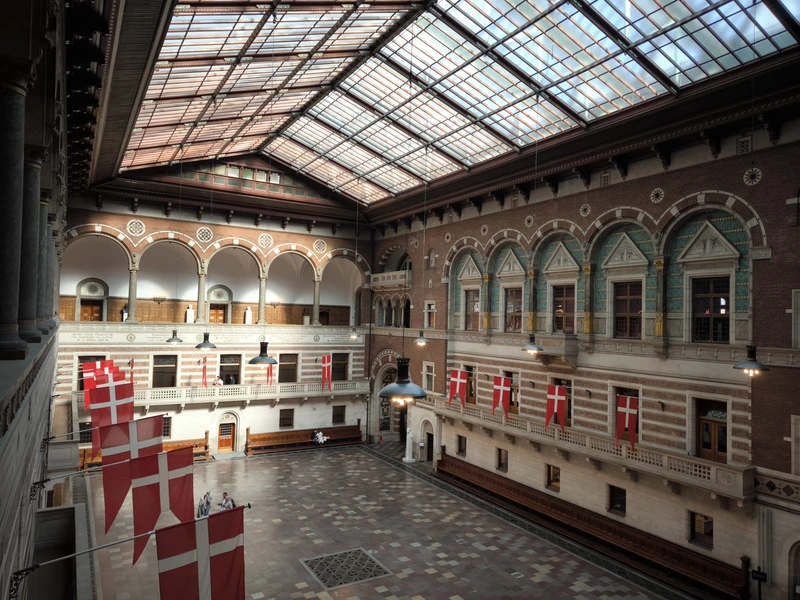
Autumn is also the season for richer styling. Deep florals, velvet, wool coats and darker suits suit the light and the weather. Rain becomes more frequent as the season goes on, so we plan photo locations with covered options nearby, such as arcades, courtyards and the halls inside City Hall.
Autumn also works well if you want to turn the wedding into a longer trip. A short train ride takes you to Helsingør and Kronborg Castle, and the ramparts by the sea look dramatic under an autumn sky. Pack a wrap in your colours, as the wind off the strait can be cool.
Can you get married in Denmark in winter?
Yes, and winter weddings in Denmark have a very special atmosphere. City Hall holds ceremonies throughout the year, and the shorter days bring candlelight, frosty mornings and festive streets.
Daylight is the main constraint. In December the sun sets before 16:00 in Copenhagen, so we schedule ceremonies and portraits around the middle of the day. The upside is that the evening comes early, and the city lights look beautiful in photos from mid-afternoon.
December adds Christmas markets, decorated streets and the lights of Tivoli across the square from City Hall. January and February are the quietest months of the year, which can make dates easier to find. Around Christmas and New Year, office days are limited, so plan those dates early.
Snow in Copenhagen is never guaranteed, and many winter days are simply cold, grey and still. We embrace that mood rather than fight it: candlelit interiors, the grand halls of City Hall, faux fur, deep red roses and the warm windows of the old town all photograph beautifully in low light.
Warm layers matter. Our article on a winter wedding in Copenhagen covers outfits, timing and indoor photo spots in more depth.
Which month should you choose? A month-by-month guide
If you already know roughly when you can travel, this month-by-month view helps you pick the exact window. It reflects what we usually see on wedding days, not a forecast, and every year brings its own surprises.
| Month | What to expect | Our planning note |
|---|---|---|
| January | Cold, quiet, short days | Often the easiest month for dates; plan a midday ceremony |
| February | Crisp and calm, light slowly returning | Good for intimate City Hall weddings and cosy dinners |
| March | Changeable, the first mild days | Pack a warm coat; parks are still bare early in the month |
| April | Spring blossom and fresh green | Check dates around Easter early |
| May | Bright, mild and long evenings | A favourite for portraits in the parks and gardens |
| June | Very long days around midsummer | Request dates early, especially Saturdays and outdoor slots |
| July | Warmest and busiest month | Plan Nyhavn photos early in the morning or late in the evening |
| August | Warm, with late summer light | Outdoor dates still possible on selected days |
| September | Mild, fewer visitors | Excellent balance of light, weather and availability |
| October | Golden leaves, cooler air | Choose covered photo spots as a backup |
| November | Grey, calm, early dusk | Great for moody, indoor-focused weddings |
| December | Festive lights, very short days | Avoid the Christmas and New Year week unless booked early |
Keep one or two backup months in mind. When a couple tells us they can travel in either May or September, for example, we can usually find a date that suits both their schedule and their wishes for the ceremony setting.
What time of day is best for the ceremony?
Late morning is the most practical time for most couples. It leaves the afternoon free for portraits and a celebration, and it works in every season.
You can ask for a morning or an afternoon slot, and we request the time that suits your travel and your photo plans. The wedding office confirms the exact time once your documents are approved.
- Morning ceremony: calm streets, fresh light and a long day to celebrate
- Midday ceremony: the best choice in winter, when daylight is short
- Afternoon ceremony: suits summer, with portraits running into the evening light
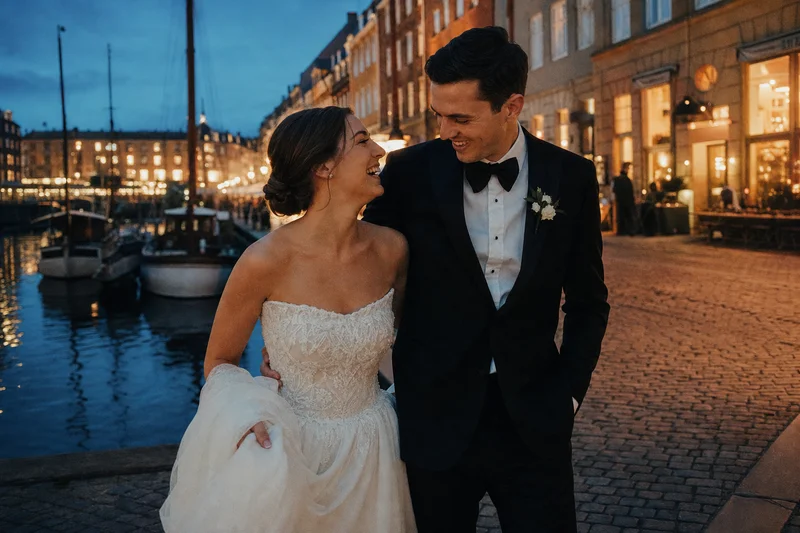
For photos at Nyhavn, early morning or the blue hour after sunset give the softest light and the fewest people. In summer the blue hour comes late in the evening, while in winter it arrives in the late afternoon.
How far ahead should you plan for your chosen month?
Plan further ahead for summer and outdoor ceremonies, and less far ahead for winter. The paperwork takes roughly the same time in every month, but the availability of dates does not.
- Choose your preferred season and a backup month
- Ask us for your personal document checklist, which arrives within 24 hours
- Collect documents early, especially if anything needs an apostille or translation
- Submit the application to Familieretshuset once the file is complete
- Book the ceremony after approval, at the first suitable slot
- Book flights and accommodation once the date is confirmed
Most of our couples marry 4 to 8 weeks after first contacting us, and for peak summer it pays to get in touch early so your preferred date is still free. An express date is possible only when a private registrar is available. For a fuller picture of timing, read how long it takes to get married in Denmark.
Ready to choose your season?
Tell us the months you are considering and the kind of day you imagine, and we will suggest the ceremony setting, time of day and photo plan that fit best. Our consultants can also tell you which dates are currently easiest to secure.
You can compare what each option includes on our packages page, or contact us at hello@denmarkwedding.com or on +45 50 56 19 77. For travel ideas in every season, VisitDenmark is a good place to start dreaming.
Written by the Denmark Wedding team in Copenhagen. Published 30 March 2026. Questions? Ask us directly.