Key takeaways
- Neither of you has to be Danish or live in Denmark, and no residency period applies before the ceremony.
- Every couple from abroad must be approved by Familieretshuset before a Danish municipality can marry them.
- With complete, correct documents, approval can arrive in as little as five business days.
- On the wedding day you must be lawfully in Denmark: visa-free, on a Schengen visa or with a residence permit.
- Our packages cost €290 to €1,590 including 25% VAT, and the €282 AFL fee is included from Complete upwards.
Can foreigners get married in Denmark?
Yes. Knowing how to get married in Denmark opens one of the simplest routes in Europe for couples of different nationalities, and you do not need a Danish passport, a Danish address or a Danish partner to use it.
What Denmark does ask is that the authorities check your right to marry before the ceremony. That check is done by Familieretshuset, the Danish Agency of Family Law, which was created in 2019 and now handles every marriage application from couples where one or both partners live abroad.
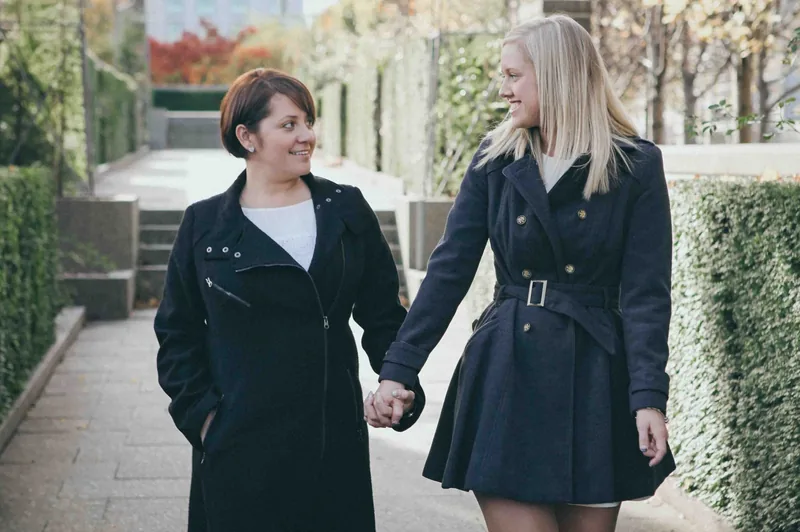
Denmark is also an open, inclusive place to marry. Same-sex marriage has been legal here since 2012, and Denmark created the world's first registered partnership back in 1989. Couples of every combination of genders and nationalities go through exactly the same process.
Who usually chooses Denmark
- Couples of two different nationalities who want one neutral, efficient place to marry.
- Couples whose home country has a slow or complicated civil procedure.
- Couples who want a short, elegant ceremony in English with a European city break around it.
- Couples who already travel in the Schengen area and can add a few days in Copenhagen.
How to get married in Denmark, step by step
The legal route has five clear stages, and each one depends on the one before. Once you see the order, the whole thing becomes far less intimidating.
- Gather your documents: valid passports, any divorce decree or former spouse's death certificate and, where it applies, your visa or residence permit.
- Submit a marriage application to Familieretshuset, either yourselves or through us under power of attorney, and pay the €282 AFL fee.
- Wait for Familieretshuset to review the file and, if everything is in order, issue the approval that lets a municipality marry you.
- Book your ceremony with Copenhagen City Hall, an open-air location or another Danish town hall.
- Travel to Denmark, say your vows in front of a registrar and two witnesses, and receive your marriage certificate.
Most of the effort sits in the first two steps. A file that is complete the first time moves quickly, while a missing translation or an unclear divorce document can send it back for more information.
How long does the whole process take?
Most of our couples are married 4 to 8 weeks after first contacting us, and an express date is possible only when a private registrar is available. The real timeline depends on your documents and on ceremony availability. Here is how a typical journey looks when the paperwork is straightforward.
| Stage | What happens | Typical time |
|---|---|---|
| Checklist | We send your personal document list | Within 24 hours |
| Preparation | You collect and scan documents; we pre-check them | Depends on your home authorities |
| Application | The file is submitted to Familieretshuset | Same day the file is ready |
| Approval | Familieretshuset reviews the case | From five business days |
| Ceremony booking | We secure a date and time | At the first suitable slot; earlier only with a private registrar |
| Wedding day | Ceremony and certificate | Around fifteen minutes |
The longest stage is often collecting documents at home, especially if a certificate needs an apostille from your own authorities. Our detailed article on how long it takes to get married in Denmark covers busy seasons and how to plan around them.
Which documents do you need?
Most couples need little more than valid passports, and you each sign a truthful declaration of your marital status in the application, which is enough. The exact list depends on your nationalities, where you live and whether either of you has been married before.
A partner who has never married needs only a passport. For a divorced partner, the final divorce decree is the key paper, and a widowed partner needs the former spouse's death certificate. If your nationality requires it, a visa or residence permit shows you are lawfully in Denmark. Some documents must carry an apostille, and documents in certain languages need a translation.
Because these rules vary from one country to another and change over time, we send every couple a free personal document checklist within 24 hours of the first enquiry. It names exactly which papers your nationalities need and in what form. Our full guide to documents needed to marry in Denmark explains each document type in detail.
How does the Familieretshuset approval work?
Familieretshuset reviews your application to confirm who you are, that you are both of legal age and that neither of you is still married to someone else. When it is satisfied, it issues the approval that allows a Danish municipality to perform your wedding.
The application is made online. It asks for personal details, information about previous marriages, copies of your documents and the AFL fee. If something is unclear, the caseworker asks for more information, and the clock effectively pauses until the answer arrives.
This is where preparation pays off. Approval can take as little as five business days when the documents are right first time. We cannot speed up the authority's own review or promise a decision, but we can remove the errors that cause most delays. Read our step-by-step guide to the Familieretshuset marriage application for a closer look, or visit familieretshuset.dk for the authority's own information.
Visas and lawful stay
You must be lawfully present in Denmark on the day you marry. Depending on your passport, that means a visa-free stay, a Schengen visa or a residence permit. The official rules are published on nyidanmark.dk, and our article on the visa to get married in Denmark explains how the timing fits together.
Where can you get married in Denmark?
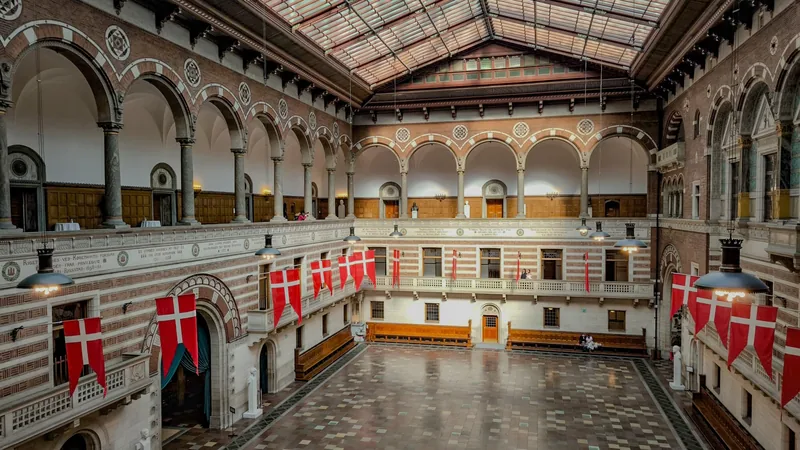
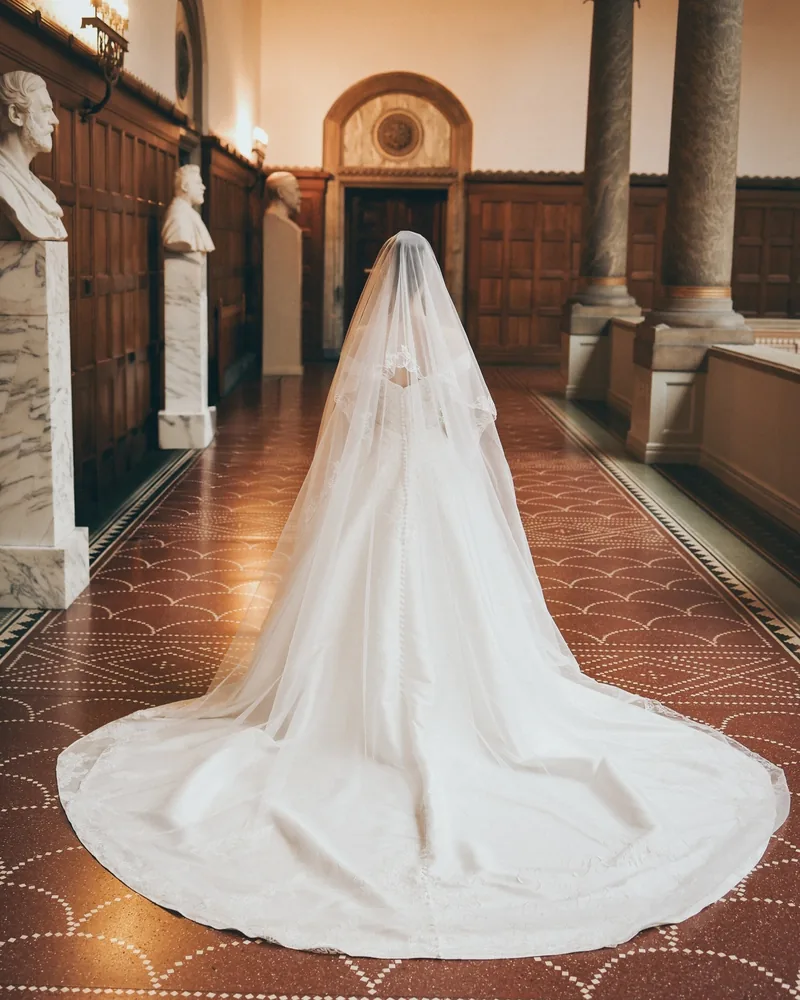
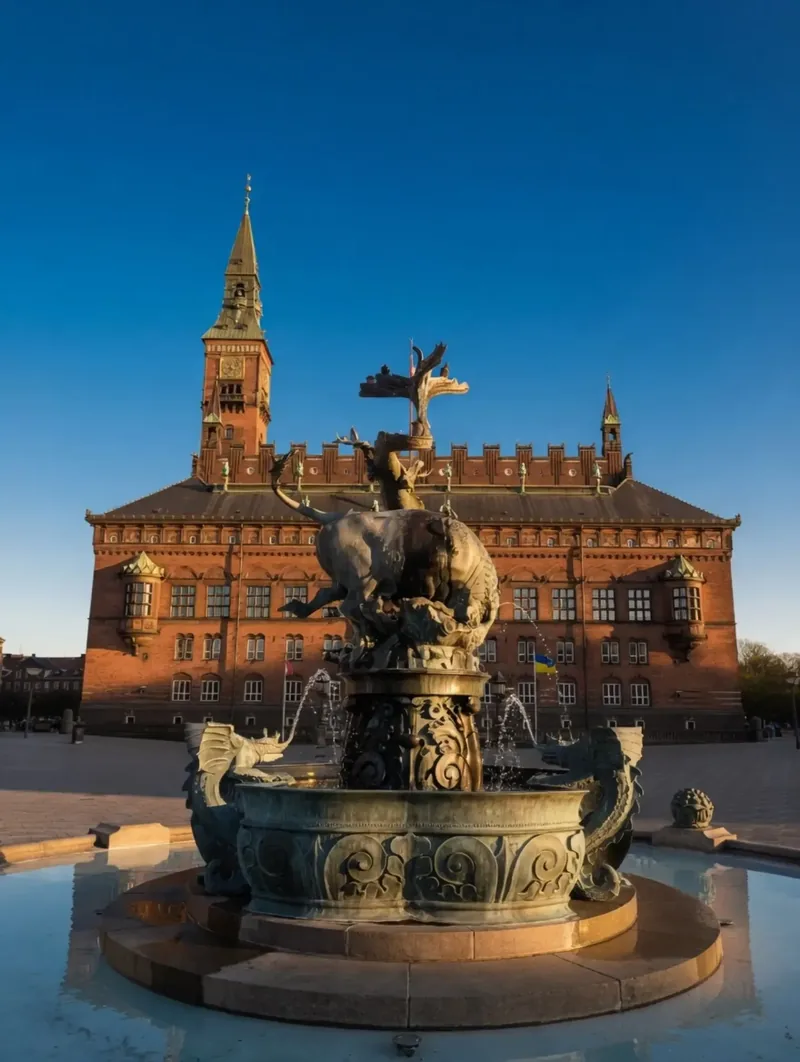
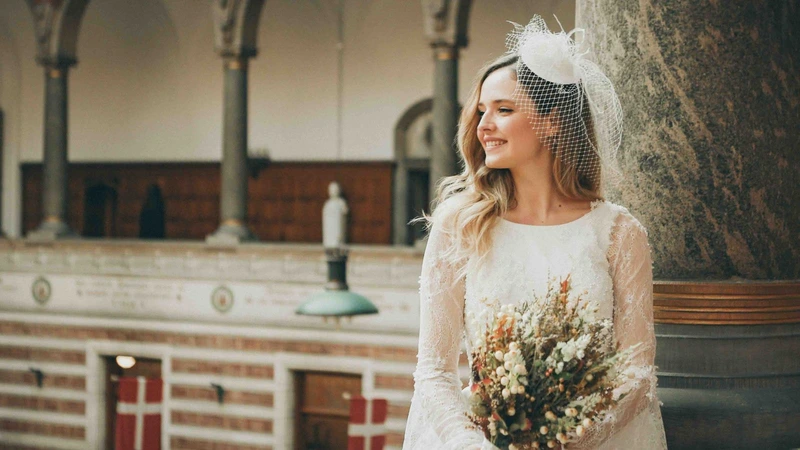
Most international couples marry in the wedding hall of Copenhagen City Hall. It is central, used to ceremonies in English and only a short walk from Tivoli, Strøget and the old town.
On selected days, mostly in the warmer months, the Copenhagen wedding office also offers open-air ceremonies. These follow exactly the same legal formalities as a wedding inside City Hall, so the only real difference is the setting.
If Copenhagen is fully booked, or you would like a quieter town, other town halls across Denmark can also marry couples from abroad once Familieretshuset has approved them. Some couples choose the island of Ærø for a slower, seaside feel.
What happens on the wedding day?
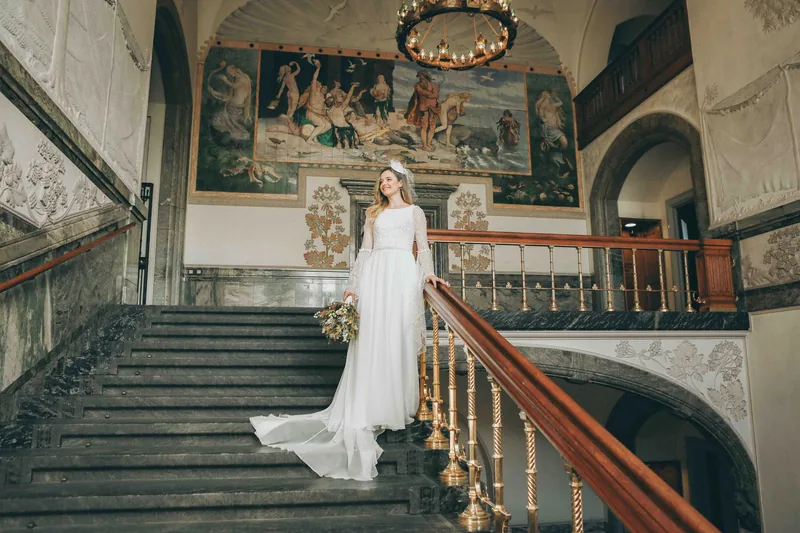
Your wedding day is short, calm and personal. You arrive a little early, meet the registrar with your two witnesses and any guests, and the ceremony itself lasts around fifteen minutes.
The registrar speaks a few words about marriage under Danish law, then asks each of you whether you wish to marry the other. You answer yes, exchange rings if you like, and sign the register together with your witnesses. Ceremonies in Copenhagen can be held in English, Danish or German.
- Bring your original passports, the same ones used in the application.
- Bring two witnesses, or ask us to arrange them for you.
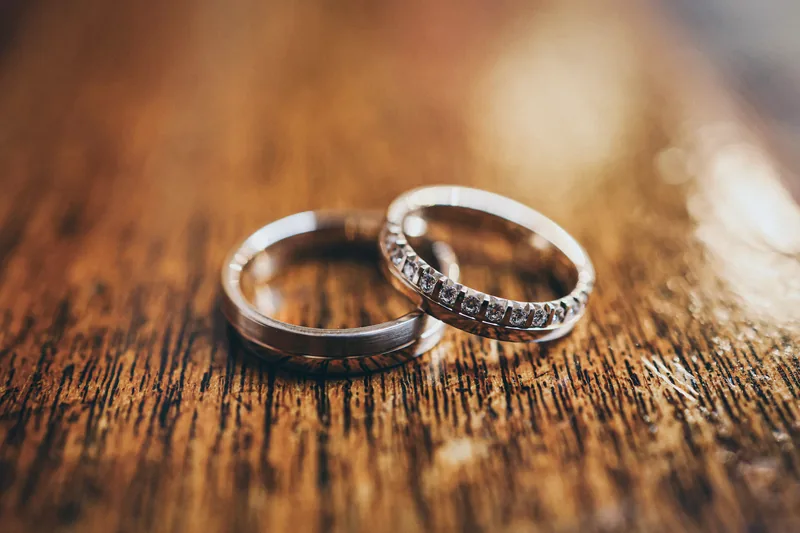
- Bring your rings, if you plan to exchange them.
- Leave the confetti at home and plan photos for straight after the ceremony.
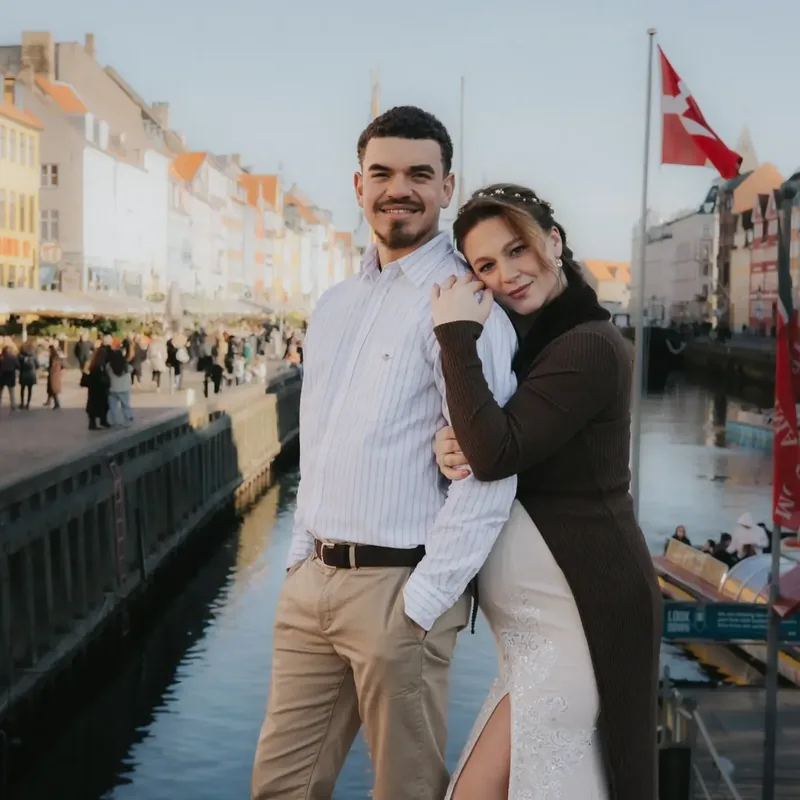
Wondering who can stand as a witness? Our guide to wedding witnesses in Denmark answers the common questions. Afterwards, many couples walk to Nyhavn for portraits and a toast by the water.
Which mistakes slow couples down?
Almost every delay we see comes from the paperwork, not from the wedding itself. The good news is that most of these problems are easy to prevent once you know where to look.
- Names spelled differently across passport, divorce decree and application form, without an explanation.
- A Schengen visa whose dates do not cover the planned wedding day.
- A foreign divorce decree submitted without proof that it has become final.
- Missing apostilles or translations on documents that need them.
- Blurred, cropped or partial scans that a caseworker cannot read with confidence.
- Booking non-refundable flights before the approval has been issued.
Imagine a couple where one partner was divorced abroad ten years ago and has since changed surname. The decree, the passport and the application all show slightly different names. Without a short explanation and supporting record, the caseworker has to ask, and the case waits. With them, the same file can move straight through.
Our article on mistakes to avoid when marrying in Denmark goes through ten of these pitfalls with practical fixes.
How much does it cost to get married in Denmark?
The fixed government cost is the AFL fee of €282, charged by Familieretshuset for every marriage application from a couple living abroad. On top of that, you choose how much help you want from us.
| Package | Price incl. 25% VAT | AFL fee | Best for |
|---|---|---|---|
| Essential | €290 | Paid by you, €282 | Couples who file the application themselves |
| Complete | €690 | Included | A stress-free process handled by us |
| Priority | €1,190 | Included | Private registrar; express date when one is available |
| Premium | €1,590 | Included | A photographer, hair and makeup as well |
All prices include tax and 25% Danish VAT, and there are no hidden fees. Travel, accommodation and any celebration afterwards are separate and up to you. Compare everything side by side on our packages page, or read our breakdown of the full Denmark wedding cost.
What happens after the ceremony?
You receive your Danish marriage certificate on the day, issued by the municipality where you married. It can be produced in Danish, English, German, French or Spanish, which makes it easier to use at home.
A Danish civil marriage is a legal, binding marriage. To register it in your home country, you will often need an apostille, which in Denmark is issued by the Danish Ministry of Foreign Affairs. Our article on the apostille for a Danish marriage certificate explains how that works.
Each country decides for itself how it registers a marriage performed abroad, so it is wise to check before you travel. We cover the general picture in is a Danish marriage recognised abroad?, and your personal checklist confirms what applies to you.
Your next step: check your date
The best way to start is simply to tell us your nationalities and the dates you have in mind. Within 24 hours you receive a personal checklist, an honest view of the timeline and the ceremony options for your travel window.
From there you decide how much help you want. Send us your details for a free checklist, or read how it works for a short overview of our three-step process. We look forward to helping you say yes in Denmark.
Written by the Denmark Wedding team in Copenhagen. Published 5 January 2026. Questions? Ask us directly.